

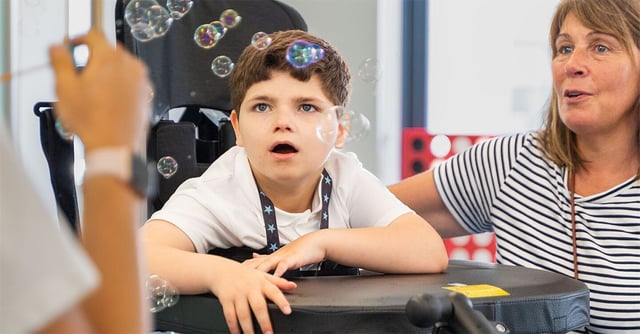
28 May 2026 EACD 2026: New evidence on dynamic standing for children with CP

Back to Blog Overview
Two posters at the EACD 2026 conference will highlight how dynamic supported standing using the Innowalk can improve quality of life, participation, and functional outcomes in children with cerebral palsy (CP).
At the 2026 European Academy of Childhood Disability (EACD) conference in Galway, Ireland, two important poster presentations are highlighting the growing role of dynamic standing therapy in paediatric neurorehabilitation for children with cerebral palsy (CP) – including real-world evidence from NHS specialist school practice in the UK.
The posters will be presented by an NHS clinician working in a special school setting in the UK and a paediatric therapist working in a specialist neurorehabilitation clinic in Spain, and focus on how regular use of dynamic supported standing in the Innowalk device can positively influence:
- Quality of life
- Functional mobility
- Participation
- Postural stability
- Goal attainment
- Bowel function
- Range of motion
for children with moderate to severe cerebral palsy.
For NHS and indpendent physiotherapists working in paediatric disability, neurorehabilitation, SEND (special education needs and disabilities) provision, special education, and post-operative care, these findings reinforce the importance of active, intensive movement opportunities for non-ambulant and limited-ambulant children.
Dynamic standing therapy for children with cerebral palsy – what is it and what does the evidence show?
Children with severe cerebral palsy, particularly those classified within GMFCS levels III–V, often have limited opportunities for active, weight-bearing movement.
Traditional standing programmes can support positioning and musculoskeletal health, but dynamic supported standing introduces an additional element by enabling:
- Repetitive stepping movements
- Active weight-bearing
- Trunk and postural activation
- Whole-body exercise
These interventions are increasingly being explored as part of evidence-based rehabilitation approaches for children with CP and complex motor disabilities, including within UK NHS paediatric physiotherapy and special school services.
At EACD 2026, two poster presentations are contributing important real-world evidence to this growing field.
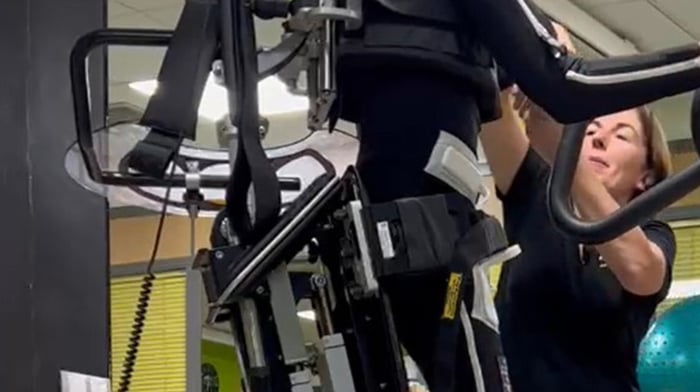
Poster 1: Feasibility and functional outcomes of dynamic standing therapy in paediatric cerebral palsy
Presenter: Ms Idoia Gandarias Mendieta
Organisation: Pitxuflitos Neurorehabilitation Clinic, Spain
Paper Number: 327
Poster Screen 5: Thursday 4th June 12 to 1 pm
Idoia Gandarias Mendieta, Physiotherapist, Orthotist and Co-founder of Pitxuflitos Neurorehabilitation Clinic (Spain), will present real-world clinical applications of dynamic supported standing across:
-
neuropaediatric rehabilitation
-
special educational schools
-
home settings
The poster explores functional outcomes observed in children and adolescents with cerebral palsy and other neurological conditions, including changes in:
-
Mobility
-
postural control
-
Endurance
-
gait efficiency
-
Participation
-
perceived quality of life
Clinical case examples include intensive rehabilitation programs, post-surgical recovery, and children with high support needs.
The presentation also highlights the feasibility of integrating dynamic standing into everyday rehabilitation practice and includes QR-linked video case studies illustrating functional changes observed in real-life clinical settings.
The findings support the growing role of active, participation-focused rehabilitation approaches for children with complex motor disabilities while reinforcing the need for further controlled research on long-term outcomes and optimal intervention protocols.
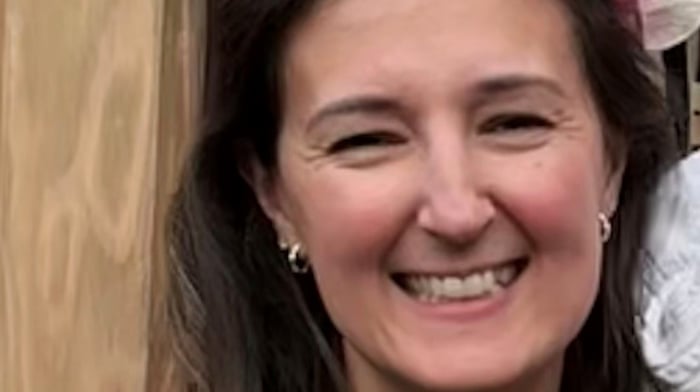
Poster 2: Implementing the results of research has changed pratice in a special-school. Utilising data from the heROIC study has improved activity levels and outcomes by using the Innowalk Pro regularly
Presenter: Mrs Clare Grodon
Organisation: Whittington Health NHS Trust
Paper Number: 153
Poster Screen 3: 4th June 5:10 to 6:10 pm
Clare Grodon, Physiotherapy Lead at Richard Cloudesley Special School in London, will present how research from the published heROIC Trial has transformed physiotherapy practice within NHS special school setting in London.
The heROIC study investigated whether the Innowalk Pro robotic rehabilitation trainer could improve outcomes for children with severe cerebral palsy.
Study overview
The study included:
-
27 children and young people
-
Ages 5–18 years
-
Diagnosed with cerebral palsy
-
GMFCS levels IV and V
Participants used the Innowalk Pro:
-
Four times weekly
-
For 30 minutes
-
Over a six-week period
-
Alongside routine school-based physiotherapy
Researchers evaluated:
-
Quality of life using the CPCHILD questionnaire
-
Functional goals using Goal Attainment Scaling (GAS)
-
Range of motion using goniometry
-
Spasticity using the Modified Tardieu Scale
Outcomes were measured:
-
Before intervention
-
Immediately after intervention
-
At six weeks follow-up
-
At three months follow-up
Key results from the heROIC trial
The study demonstrated several clinically meaningful outcomes for children with CP:
Improved quality of life
-
36% of participants experienced improvements in quality of life
-
Secondary-aged children showed the greatest benefits
Goal Attainment Improvements
-
88% improved in Goal Attainment Scaling immediately after intervention
-
Some gains reduced after longer breaks from therapy
Importance of ongoing access
After 6–12 weeks without intervention:
-
21% of children declined by two or more GAS units
These findings reinforced the importance of regular access to active movement opportunities for children with severe motor impairments.
You can read a summary of the study here and published article here.
How research changed physiotherapist practice
One of the most important aspects of Clare Gordon’s presentation is the emphasis on implementation.
Following the study, the school adapted its physiotherapy service model to integrate the Innowalk Pro more consistently into the school day using a structured:
“Block on / block off” approach
This allows children to receive repeated periods of intensive movement training while balancing educational participation and therapy scheduling.
For paediatric physiotherapists, this presentation offers valuable insight into:
-
Translating research into clinical practice
-
Delivering school-based rehabilitation
-
Integrating assistive rehabilitation technology
-
Supporting participation and wellbeing in children with severe CP
Growing evidence for dynamic standing therapy in paediatric CP management
The research presented at EACD 2026 adds to the growing evidence base supporting dynamic standing therapy for children with cerebral palsy.
Importantly, both posters demonstrate:
- Feasibility in real-world settings
- Positive functional outcomes
- Benefits across school and clinical environments
- Practical integration into physiotherapy services
The findings also highlight the importance of:
- Therapy dosage
- Consistency of intervention
- Long-term access to movement opportunities
- Goal-oriented rehabilitation planning
Further controlled studies are still needed to determine:
- Optimal therapy frequency
- Long-term durability of outcomes
- Cost-effectiveness
- Best practice implementation models
However, these presentations provide encouraging evidence for clinicians seeking practical, evidence-informed rehabilitation approaches for children with severe motor disabilities.
Attending EACD 2026 in Galway? Visit these posters
Physiotherapists attending EACD 2026 in Galway, Ireland – particularly those working in UK NHS paediatric services, special schools, and neurodisability teams – will find both posters highly relevant for:
- Cerebral palsy management
- Paediatric physiotherapy
- Dynamic standing therapy
- School-based rehabilitation
- Neurodisability services
- Post-operative mobilisation
- Assistive rehabilitation technology
As the field continues moving toward more active and participation-focused rehabilitation models, these presentations offer valuable clinical insight into how dynamic standing interventions can support children with CP in everyday life.